
We live in a world overflowing with words.
Opinions, explanations, promises, and predictions surround us every day—telling us who we are, what matters, and where hope can be found. Yet for all our words, something essential is missing. What we don’t need is more words. What we need is the right Word.
That conviction shapes how John begins his Gospel. He doesn’t start with advice, commands, or even a birth story. He begins with the Word—because before there can be truth to believe, life to receive, or hope to rest in, God must first reveal Himself.
From the opening verses, John makes his message unmistakably clear: Jesus is eternally God, fully revealed in human flesh, bringing grace and truth to broken humanity.
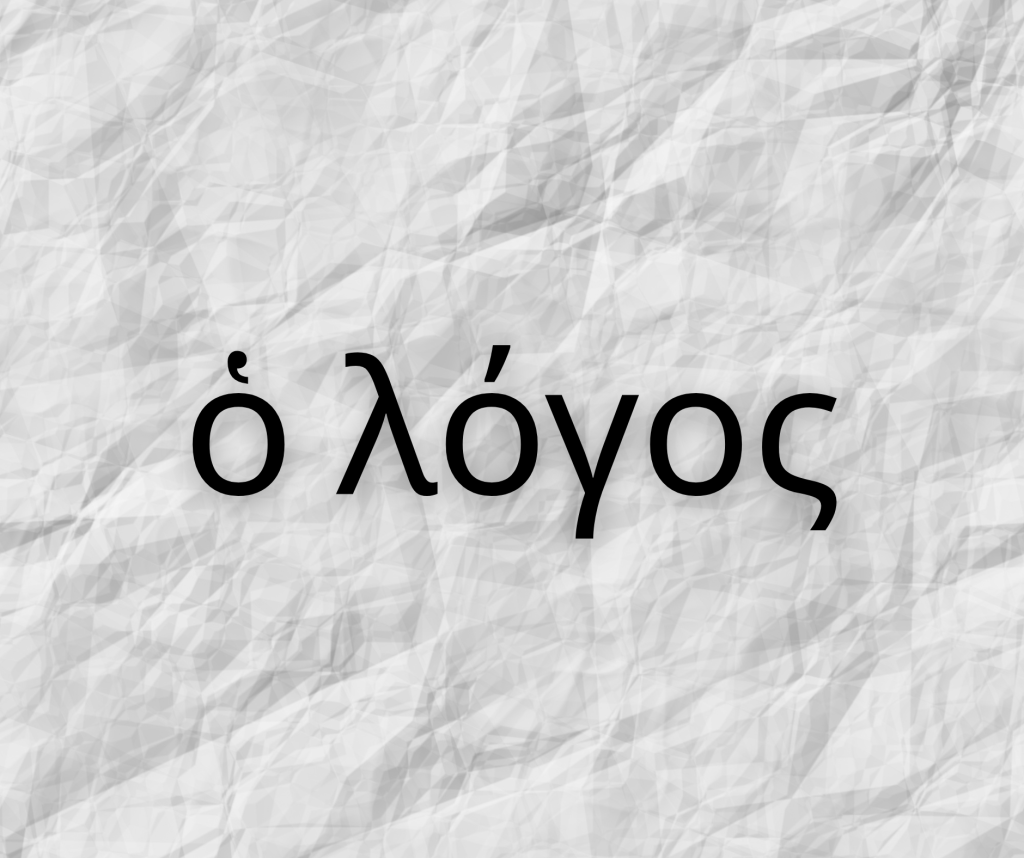
John calls Jesus “the Word,” (Greek ὁ λόγος).
For Jewish readers, God’s Word was how He created and revealed Himself. For Greek readers, logos referred to the rational principle behind reality. John unites both and makes a staggering claim: the Word is not an idea or force—it is a Person.
Jesus does not merely speak God’s Word; Jesus is God’s Word. The God behind creation and meaning has come near in Jesus Christ.
1. The Word was preexistent — Eternal Deity (John 1:1–2)
“In the beginning” echoes Genesis 1:1 and places Jesus before time itself. The Word was with God—distinct in person—and was God—one in essence. Jesus is not God’s response to a problem or a later addition to the story. He is God’s eternal Son. This guards us from reducing Jesus to a teacher, example, or religious option.
2. The Word was powerful — Creator of All Things (John 1:3)
John is explicit: all things came into being through Him, and nothing exists apart from Him. The One who enters the world as a child is the One who made the world and sustains it. Creation is not distant from Christ; it exists by His will and His word.
3. The Word provided life — Light for the World (John 1:4–5)
Life originates in Him, and that life shines as light in the darkness. Darkness resists the light, but it cannot overcome it. Jesus does not merely show the way to life—He is the source and sustainer of life.
4. The Word was proclaimed — Witnessed and Received (John 1:6–13)
God sends witnesses to testify about the Light. John the Baptist points away from himself toward Christ. Some reject the Light; others receive Him. Receiving Christ means being born of God through faith—not through heritage or effort.
5. The Word was present — God Dwelling with Us (John 1:14)
“The Word became flesh” is the heart of the Good News about Jesus. The eternal Word stepped fully into our humanity without ceasing to be God. He “dwelt” among us—literally tabernacled with us. God did not remain distant; He came near.
6. The Word was poured out — Grace and Truth Revealed (John 1:15–18)
Through Jesus Christ comes “grace upon grace.” The Law revealed God’s will; Jesus reveals God Himself. Grace and truth are no longer abstractions—they are embodied in a Person. To see Jesus is to see the Father.

The Word is not doctrine to master—it is glory to behold and a Person to believe. As John’s Gospel unfolds, one question echoes again and again: What will you do with Jesus? Not the idea of Jesus, but this Jesus—the Word, ὁ λόγος, made flesh to walk among us, to die on the cross for us, and to rise again because death doesn’t have the final word.
Follow me… as I follow JESUS Christ.
 following Jesus